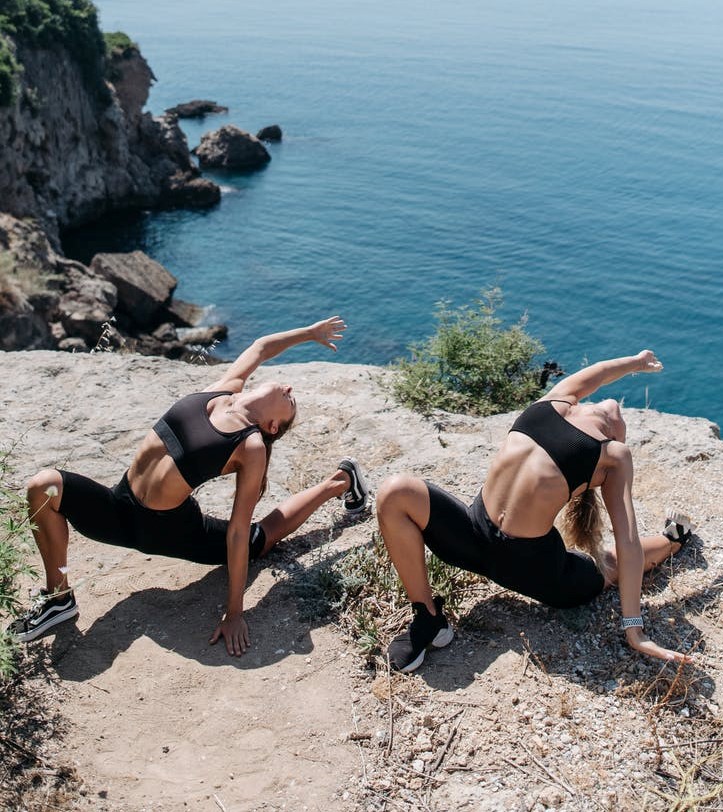
Each year as we see office patients we ask about whether they exercise their pelvic floor and clients tell me they don’t often hear much about specific ways to help their bladders stay healthy so here’s a suggestion for you: YOGA!
It’s been part of yoga practice for generations. In a study done at UCSF Medical school researchers found that yoga is better for your bladder than non-specific exercise and stretching. In the research study even diabetics with symptom improved. The interventions studied for bladder symptoms were a 3 month duration, thus women can expect that bladder symptoms can be improved over a relatively short period of time!
Mulabandha, often referred to as the “root lock,” is a foundational yogic practice that engages the pelvic floor muscles. It is part of the bandha system in yoga, where energy locks are used to control and direct prana (life force). Beyond its energetic and spiritual significance, mulabandha offers significant therapeutic benefits for the pelvic floor, making it an essential practice for those looking to improve pelvic health.
What is Mulabandha?
The term mulabandha is derived from Sanskrit:
- Mula means “root” or “base.”
- Bandha means “lock” or “seal.”
In essence, mulabandha involves the contraction and lifting of the pelvic floor muscles—the muscles that form the base of the pelvis and support organs like the bladder, uterus, and rectum. Practicing mulabandha involves isolating and activating these muscles while maintaining relaxed breathing and focus.
Therapeutic Benefits of Mulabandha for Pelvic Floor Health
-
Strengthens Pelvic Floor Muscles
Regular practice of mulabandha can help tone and strengthen the pelvic floor muscles, which are vital for supporting the bladder, bowel, and reproductive organs. This is particularly beneficial for:- Postpartum recovery
- Preventing or managing urinary incontinence
- Supporting pelvic organ prolapse prevention
- Advanced maternal age mothers and mothers over the age of 30 at first vaginal delivery who are at more risk for pelvic floor disorders
-
Enhances Core Stability
Mulabandha works synergistically with other core muscles, like the transversus abdominis and diaphragm. This integrated engagement promotes better posture, balance, and spinal stability. -
Improves Circulation
Activating the pelvic floor increases blood flow to the region, which supports tissue health, reduces pelvic pain, and accelerates healing after surgery or childbirth. -
Supports Mind-Body Connection
Focusing on the pelvic floor during yoga fosters mindfulness and awareness of this often-overlooked area. This can help address issues like pelvic tension, which is common in individuals with stress or trauma. -
Regulates Energy Flow
In yogic tradition, mulabandha directs prana upward through the spine, enhancing energy flow and grounding the practitioner. This can have a calming effect on the nervous system and help balance the root chakra (Muladhara), associated with safety and stability.
How to Practice Mulabandha
-
Preparation
- Sit in a comfortable, upright position such as Sukhasana (Easy Pose) or Padmasana (Lotus Pose). Alternatively, you can practice while lying down or standing.
- Relax your body and take a few deep breaths to center yourself.
-
Engaging the Pelvic Floor
- Identify the pelvic floor muscles by imagining stopping the flow of urine or holding in gas. These are the same muscles you’ll engage during mulabandha.
- Gently contract these muscles upward and inward as if lifting them away from your seat.
-
Coordination with Breath
- Combine the pelvic floor engagement with smooth, rhythmic breathing.
- In some practices, mulabandha is activated during breath retention (kumbhaka) after inhalation or exhalation.
-
Relaxation
- After holding the contraction for a few breaths, release the pelvic floor muscles fully.
- Avoid straining; the practice should feel gentle and controlled.
-
Repetition
- Repeat several cycles, gradually increasing the duration and intensity of the contraction as your strength improves.
Incorporating Mulabandha into Yoga Practice
Mulabandha is often integrated into yoga poses (asanas) and breathing exercises (pranayama). Here are some examples:
- Asanas: Incorporate mulabandha in poses like Tadasana (Mountain Pose), Virabhadrasana (Warrior Pose), or downward-facing dog.
- Pranayama: Practice with Nadi Shodhana (alternate nostril breathing) or Ujjayi breath for energy regulation.
- Meditation: Use mulabandha during seated meditation to deepen awareness and enhance grounding.
Precautions
- Avoid over-contracting or holding tension for too long, which can lead to muscle fatigue or imbalance.
- If you have any pelvic floor conditions or pain, consult a healthcare provider or trained yoga therapist before starting mulabandha practice.
- Pregnant individuals should practice under guidance, as improper technique may increase pelvic pressure.
Conclusion
Mulabandha is a powerful practice that bridges the physical and energetic aspects of yoga. Whether you’re looking to strengthen your pelvic floor, manage stress, or enhance your yoga practice, incorporating mulabandha can offer transformative benefits. As always, consistent practice and mindful engagement are key to unlocking its full potential.
Yoga helps to reduce bladder symptoms by direct improvement in pelvic floor muscles but the other physiologic effects, such as improvement in heart rate, blood pressure, and metabolism. Emsella pelvic floor therapy can improve the results from other forms of pelvic physical fitness.
At Hatha Yoga and Fitness we know that all aspects of yoga training will contribute to these benefits, so check out the list of options and add bladder health improvements to your list of those things you plan to do for the new year!