
Most of us can recite “watch the salt” when talking about blood pressure, but far fewer can name the foods that actually lower blood pressure—and the amounts of sodium, potassium, calcium, and magnesium that matter. New research continues to show how diet timing, nutrient balance, and even movement patterns work together to support cardiovascular health. Many diets have been shown to be able to do this: DASH, Mediterranean, Nordic, and portfolio diets.
Breakfast matters.
A study in the American Journal of Cardiology found that adults who habitually skip breakfast—especially those with known heart disease—show higher rates of hypertension and worse overall cardiovascular outcomes. Eating early helps regulate insulin sensitivity and supports healthier 24-hour blood pressure rhythms.
How much sodium and potassium do we actually need?
These two minerals operate as a physiologic pair, and the ratio may matter more than either number alone.
Evidence-based targets:
• Sodium: The American Heart Association recommends <1500 mg/day for optimal blood pressure control, and <2300 mg/day as an upper limit.
• Potassium: Adults should aim for 3500–4700 mg/day, ideally from whole foods. Potassium-rich diets lower systolic pressure by roughly 4–5 mm Hg, independent of sodium restrictions.
• Foods that help: leafy greens, kale, spinach, arugula, beans, lentils, avocados, bananas, potatoes, yogurt, coconut water, and tomatoes. Most of these foods are high in potassium which assist in the kidneys clearing potassium. Avocados have secondary benefit on supporting vascular health as a source of healthy fats.
Patients with kidney disease require individualized potassium guidance.
Magnesium also plays a meaningful role.
Magnesium affects vascular smooth muscle tone and endothelial function. Meta-analyses show that 350–500 mg/day of magnesium (diet or supplement) modestly lowers systolic blood pressure by 2–4 mm Hg and improves overall vascular reactivity.
• High-magnesium foods: pumpkin seeds, spinach, almonds, chia seeds, cashews, edamame, and whole grains.
Calcium contributes too.
The original DASH studies found that diets higher in calcium—not just supplements—helped lower systolic pressure by 1–5 mm Hg. However, clinicians should evaluate total calcium intake, as excess supplementation can contribute to kidney stones or cardiovascular calcifications in certain patients.
The original DASH diet remains a cornerstone.
DASH is rich in fruits, vegetables, whole grains, legumes, nuts, and low-fat dairy. It reduces systolic blood pressure by 8–14 mm Hg on average—sometimes enough for patients to reduce or discontinue medication under medical supervision.
Breakfast example for blood pressure:
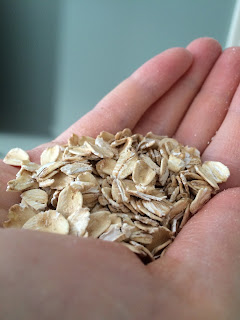
• Oatmeal (a source of beta-glucan fiber shown to reduce blood pressure and LDL)
• Berries rich in anthocyanins which are plant compounds which improve blood vessel function and in turn lower blood pressure over time.
• A handful of pumpkin seeds, beans and lentils, or almonds for magnesium
• Yogurt or kefir for calcium and potassium
Lunch option:
A protein shake with taurine and arginine—amino acids shown in small clinical studies to improve endothelial function and lower blood pressure.
Dinner:
Garlic-containing meals, which is a source of allicin, help lower systolic pressures by 8–10 mm Hg in clinical trials when taken regularly. Fatty fish have omega-3s which reduce inflammation and improve blood vessel elasticity. Tomatoes with lycopene with reduces both systolic and diastolic blood pressure over time. A moderate amount of red wine (one 5 oz serving) can increase HDL and support vascular dilation, but more than that raises blood pressure, so careful moderation is essential.
Desert: Dark chocolate which has cacao flavonoids which dilate blood vessels
Intermittent and fasting-mimicking diets can reduce blood pressure.
The ProLon fasting-mimicking diet has shown reductions in blood pressure, CRP, and IGF-1 when done as a 5-day cycle monthly for three months. Caloric deficits in general improve insulin sensitivity and vascular tone. We will do another group fast in January, so consider joining!