
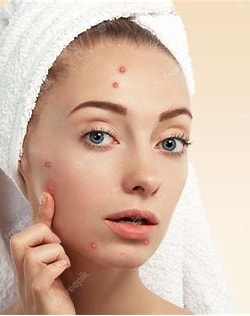
Controlling facial, chest and back acne is all about calming the inflammation in the tiny skin hair and oil (sebum)glands.
First step: identify the pimple
Is it a blackhead or white head? A whitehead is formed from the hair follicle being dilated, then crowned or stuffed with dead top layer of skin, bacteria, and oils. The Blackhead darkness is due to dirt lodging in the ‘open.’ crown The size of the acne, the surrounding inflammation, the type of bacteria, and your age will further define your type.
Curing acne is possible, but for most control is what you can strive for
Most acne begins as a microlesion you cannot see, making sure it doesn’t progress has been one important strategy.
Like everything else, keep good notes. What has worked, what hasn’t worked, and what treatments actually made you worse is important. And involve your aesthetician and physician in keeping track.
If there are blocked glands: then you need a retinol. If infection antibiotics or other products to kill bacteria, hormones can control the oils.
For most people first use a topical retinoid, benzol peroxide, or azelaic acid. More severe diseased should consult a physician to consider antibiotic or hormonal therapy.
Step one is something topical, if you are much worse, many of these treatments have to be given in pills. Clean and wash, don’t scrub and harm your skin. Protect your skin from the elements, do use sun screen.
Have good nutrition, but no actual acne guidelines recommend a specific diet.
Blame the Western Diet. Some native tribes including Canadian Inuit, South African Zulus, Japanese Okinawans, Aché of Paraguay, and Kitavan islanders of Papua New Guineam never had acne until Western foods were introduced into their systems.
Insulin Spiking Increases Acne
High glycemic index (GI) sugary carbs or foods pike blood sugar and insulin levels. Insulin spikes lead to inflammation and hormonal fluctuations triggering increased acne.
Milk and chocolate worsen acne. Dairy may stimulate insulin-like growth factor 1 (IGF-1), increasing sebum production and skin cell growth.
On the flip side, omega-3 fatty acids—found in foods like salmon, flaxseeds, and walnuts—have anti-inflammatory properties that calm the skin. Compounds like docosapentaenoic acid (DPA) and γ-linolenic acid (GLA) may actively help reduce breakouts by suppressing the production of inflammatory cytokines.
Bottom line? If you’re struggling with persistent acne, it’s worth taking a closer look at your plate. Reducing sugar and processed carbs, moderating dairy, and adding in more omega-3–rich foods might just be the internal skincare routine your body needs. For treatments, including those that target scalp and back health, call Hada Cosmetic Medicine.